Food Allergies and Athletes: Fueling Strategies for training and Game Day
Food Allergy Awareness Week is an important reminder that for athletes, nutrition isn’t just about performance, it’s also about safety. If you are a parent, coach, or athlete navigating food allergies, the conversation goes far beyond “what should I eat?” It becomes: Is this safe for me to eat? Do I have a backup? Who knows what to do if something goes wrong?
Organizations like Food Allergy Research & Education (FARE)estimate that millions of people in the U.S. live with food allergies, and for athletes, that risk is layered on top of demanding schedules, travel, and team environments where food is often shared and decisions are made on the run.
Let’s break down how athletes with food allergies can stay safe without sacrificing performance.
Why Food Allergies Require Extra Planning in Sports
For an athlete with a food allergy, fueling takes intention. Every team dinner, bus snack, hotel breakfast, or post-game meal involves evaluating ingredients and risk. Even small exposures can trigger reactions ranging from mild symptoms to severe, life-threatening emergencies like Anaphylaxis.
That’s why planning ahead isn’t optional, it’s essential.
The good news? With the right systems in place, athletes with food allergies can perform at a high level with confidence.

3 Essentials for Athletes with Food Allergies
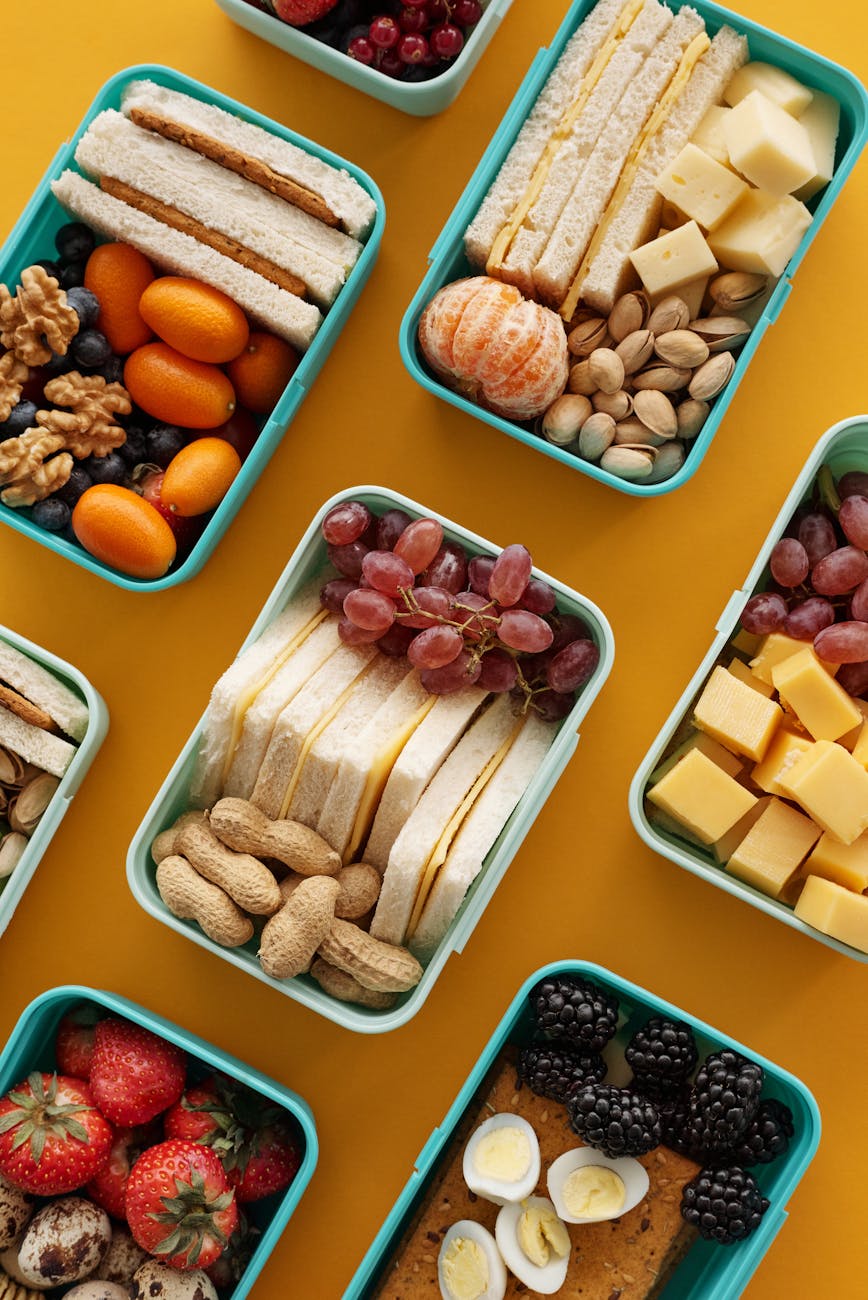
1. Know Your Safe Fuel Options
When your schedule is packed and energy demands are high, decision fatigue is real. Having a list of safe foods ready to remove the stress and keeps fueling consistent.
In the Academy I outline how to build athlete’s should build a “Snack Roster” for pre training fuel. Your Roster will have a few more options to cover pre training snacks, recovery fuel, and team meal restaurant options that are safe for you.
2. Always Have a Backup Plan
Relying on “what’s available” is risky. Travel delays, ingredient changes, or miscommunication happen often.
Keep safe, reliable options in:
Your sports bag
Locker
Backpack
Look for foods that are:
Shelf-stable
Clearly labeled
Easy to grab and eat quickly
And most importantly, these options need to be foods you have already safely eaten before.
3. Communicate Early and Often
Clear communication is one of the most powerful safety tools.
Make sure the following people know: Your specific allergy, signs of a reaction, what to do in an emergency. This includes:
Coaches
Teammates
Athletic trainers
Friends’ parents
You can use tools like an emergency care plan from FARE to help guide these conversations.
Advocating for yourself isn’t being “extra”… it’s being prepared.

Don’t Let Fear Lead to Under-fueling
One of the biggest challenges I see in athletes with food allergies is not eating enough, especially when away from home.
And honestly, that fear makes sense. When eating feels like a risk, it’s natural to hesitate.
But consistently underfueling can lead to:
Low energy and fatigue
Decreased performance
Slower recovery
Increased injury risk
Fueling your body adequately is just as important as avoiding allergens. The goal is to build a system where you feel both safe and well-fueled.
How Coaches, Teams, and Parents Can HelpCreating a supportive environment makes a huge difference.
Here’s what that looks like in practice:
Be mindful with team meals and snacks
Let athletes with allergies review options or choose first when possible.Double-check labels… every time
Ingredients and manufacturing processes can change unexpectedly.Share menus and plans in advance
Whether it’s a restaurant, hotel, or catered meal, giving athletes time to research helps them prepare.Normalize communication
Make it standard for athletes to share dietary needs without feeling singled out.
Helpful Resources
If you want to learn more or create a stronger safety plan, these are excellent places to start:
The Bottom Line
Fueling with food allergies takes more planning, but it is absolutely doable.
Athletes deserve to feel confident and safe in what they are eating so they can focus on what matters most: their sport, their teammates, and their performance.
If you or your athlete need help building a safe, effective fueling plan, reach out. Whether it’s 1:1 support or inside the Academy with recipes, fueling guides, and real-life strategies, I’m here to help you make this feel manageable.