Fueling Athletes: The role of protein, iron & vitamin B12
When we talk about sports nutrition, we often focus on the big things: carbohydrates for energy, protein for muscle recovery, and fats for endurance fuel and hormone support. But there is more to a strong fueling plan than just the macronutrients.
There is another group of nutrients that deserves some attention too! The vitamins and minerals, also known as micronutrients.
These nutrients do not not provide calories like carbohydrates, protein, and fat do, but they help your body do some pretty important things like making red blood cells, transporting oxygen, strengthening muscles and supporting your brain, and recovery.
We are excited to partner with the Virginia Beef Council and the Northeast Beef Promotion Initiative to take a closer look at three nutrients that are especially important for athletes: protein, iron, and vitamin B12.

Protein: The essential building blocks for athletes
Most athletes know that protein is important for building and repairing muscle. But protein also plays a role in bone structure and remodeling (1), making it an important part of your growth, development, and reducing your injury risk.
One of the easiest ways to support your performance is to include a source of protein with each meal and snack. By evenly distributing protein sources throughout the day, you give your body a steady supply of amino acids, known as the building blocks, for your body to grow, repair, and increase strength (2).
A good starting point for many athletes is around 20 to 30 grams of protein at each meal and 5 to 15 grams at each snack. These recommendations may vary depending on your body size and goals.
Beef is a great option that can help you meet your protein needs, providing a high quality, highly bioavailable source of fuel. Just a 3 ounce serving, or the size of your palm, is packed with key nutrients that will help support your training!
Ground beef is one of our favorite types of beef for athletes because it is easy to cook and can easily be added to tacos, pasta, rice bowls, breakfast burritos, and more.
We love a recipe like this Beef and Veggie Frittata that packs 37 grams of protein and nearly 5 grams of iron into one meal!
Iron: The key to oxygen transport
Ever feel like you are working hard at practice but just don’t have your usual energy? Or maybe you are getting tired faster than you normally do, struggling to keep up with your teammates, or feeling like your endurance just isn’t there?

Iron could be the missing piece of the puzzle.
Iron helps your blood carry oxygen to your muscles. Your muscles need that oxygen to make energy to support your training. Getting enough iron can help you keep up with intense workouts!
When iron levels or iron stores are too low, You might notice things like:
Feeling more tired than usual, even after getting a good night's sleep
Feeling like your legs are heavy or you are working harder than usual
Having a harder time finishing workouts or keeping up with your teammates
Feeling out of breath sooner than you normally would
Not feeling like you have your usual energy or “gas in the tank”
As a high school athlete, you have incredibly high iron and energy demands. You are fueling your growth and development as well as your training and competition. Athletes who menstruate, especially if you have a heavy period, will also have higher iron needs (3).
One of the easiest ways to get iron is through food. Beef provides heme iron, a form of iron that your body easily absorbs. Adding just 3 ounces of beef to a meal can boost your iron and protein intake. Other sources of iron include beans, lentils, spinach, nuts, and fortified cereals.
Try these Air Fryer Greek Pitas that have Beef to boost your iron and sources of vitamin C, tomatoes and lemon, to help your body better absorb the iron!
Vitamin B12: Another nutrient athletes need
We covered fairly common nutrients for athletes, protein and iron, but what about vitamin B12?
Vitamin B12 helps your body make red blood cells and supports your nervous system. Basically, it helps your body keep things running behind the scenes while you are busy training, competing, going to school, and doing everything else in between.
Beef is a good source of vitamin B12, along with foods like fish, eggs, milk, and yogurt.
If you eat a variety of animal foods, you are likely getting vitamin B12 from several places throughout the day. But if you follow a vegan diet, vitamin B12 is a nutrient you will need to be intentional about eating. Fortified foods and nutritional yeast can help fill that gap.
The takeaway? Vitamin B12 might not be the first thing you think about when fueling for practice, but it’s one of the many nutrients that helps keep your body working hard behind the scenes.
Building your nutrition game plan
So, what does a strong fueling plan actually look like when you are a busy high school athlete?
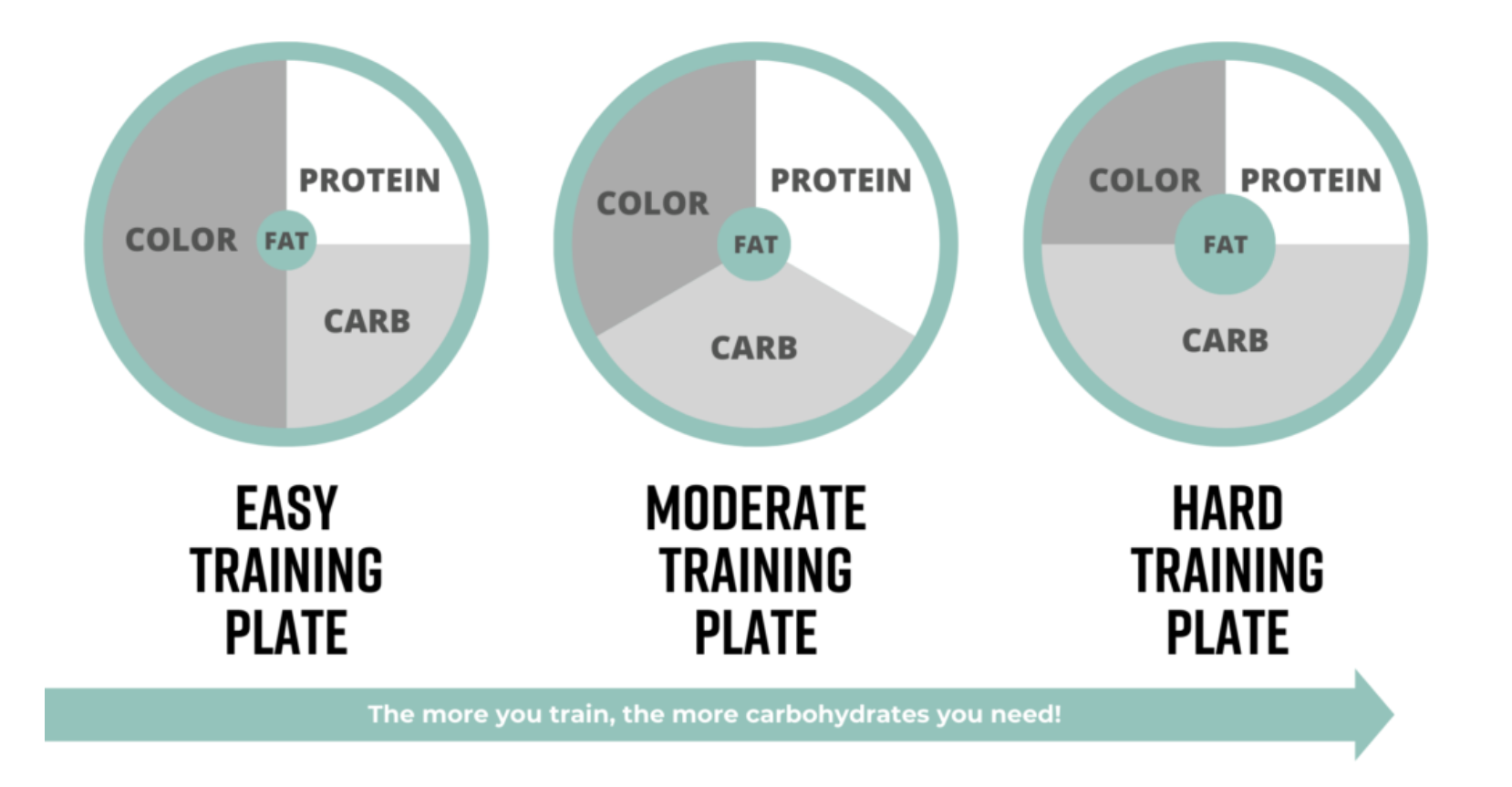
You don’t need to memorize every vitamin and mineral or build the “perfect” meal every time you eat. The goal is to fuel consistently and give your body a variety of foods throughout the day.
Think about it like building your team, you want different players bringing different skills to the game. Your food works the same way!
Protein helps support your muscles and recovery. Iron helps carry oxygen to your muscles. Vitamin B12 supports your blood and nervous system. And these are just a few of the many nutrients your body needs to train, recover, and perform.
What is the easiest way to make sure you are eating enough of the key nutrients? Mix it up! Try new recipes like a quick Mediterranean Beef and Veggie Wrap or Beef & Asparagus Pasta Toss that can be made ahead of time for school lunch.
Every meal and snack is an opportunity to level up your game. You don't have to eat perfectly. You just have to fuel consistently, add variety, and make sure you are including key nutrients like protein, iron, and vitamin B12.
Looking for more ways to fuel your training? Check out Build Your Most Valuable Plate with Beef for athlete friendly fueling tips and recipes to help you feel strong, recover well, and perform at your best.
Resources
TOWNSEND, R., ELLIOTT-SALE, K. J., CURRELL, K., TANG, J., FRASER, W. D., & SALE, C. (2017). The Effect of Postexercise Carbohydrate and Protein Ingestion on Bone Metabolism. Medicine &Amp; Science in Sports &Amp; Exercise, 49(6), 1209–1218. https://doi.org/10.1249/mss.0000000000001211
Mamerow, M. M., Mettler, J. A., English, K. L., Casperson, S. L., Arentson-Lantz, E., Sheffield-Moore, M., Layman, D. K., & Paddon-Jones, D. (2014). Dietary protein distribution positively influences 24-H muscle protein synthesis in healthy adults. The Journal of Nutrition, 144(6), 876–880. https://doi.org/10.3945/jn.113.185280
Sim, M., Garvican-Lewis, L. A., Cox, G. R., Govus, A., McKay, A. K. A., Stellingwerff, T., & Peeling, P. (2019). Iron considerations for the athlete: A narrative review. European Journal of Applied Physiology, 119(7), 1463–1478. https://doi.org/10.1007/s00421-019-04157-y