Nutrition for Tournament Weekends
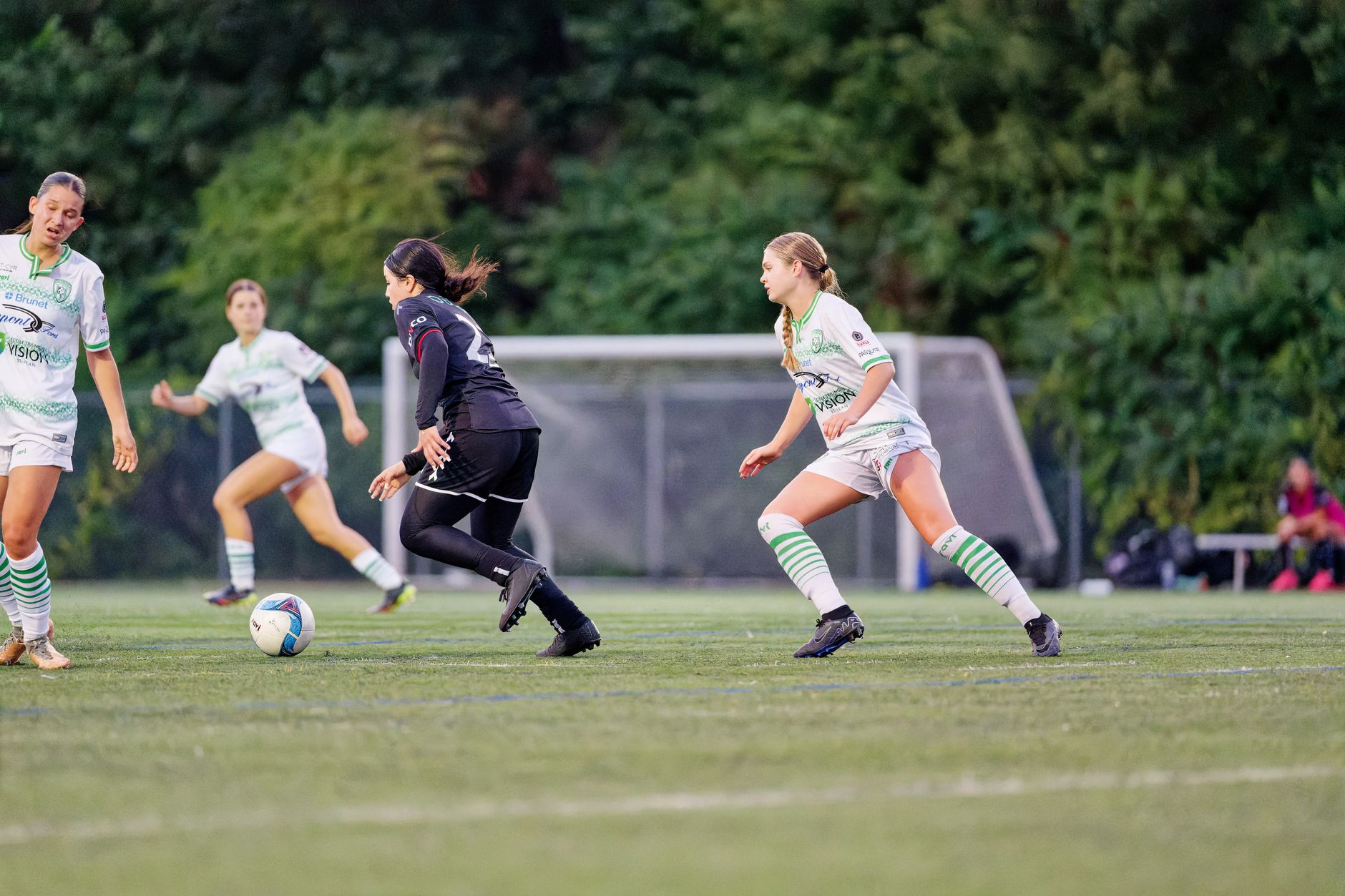
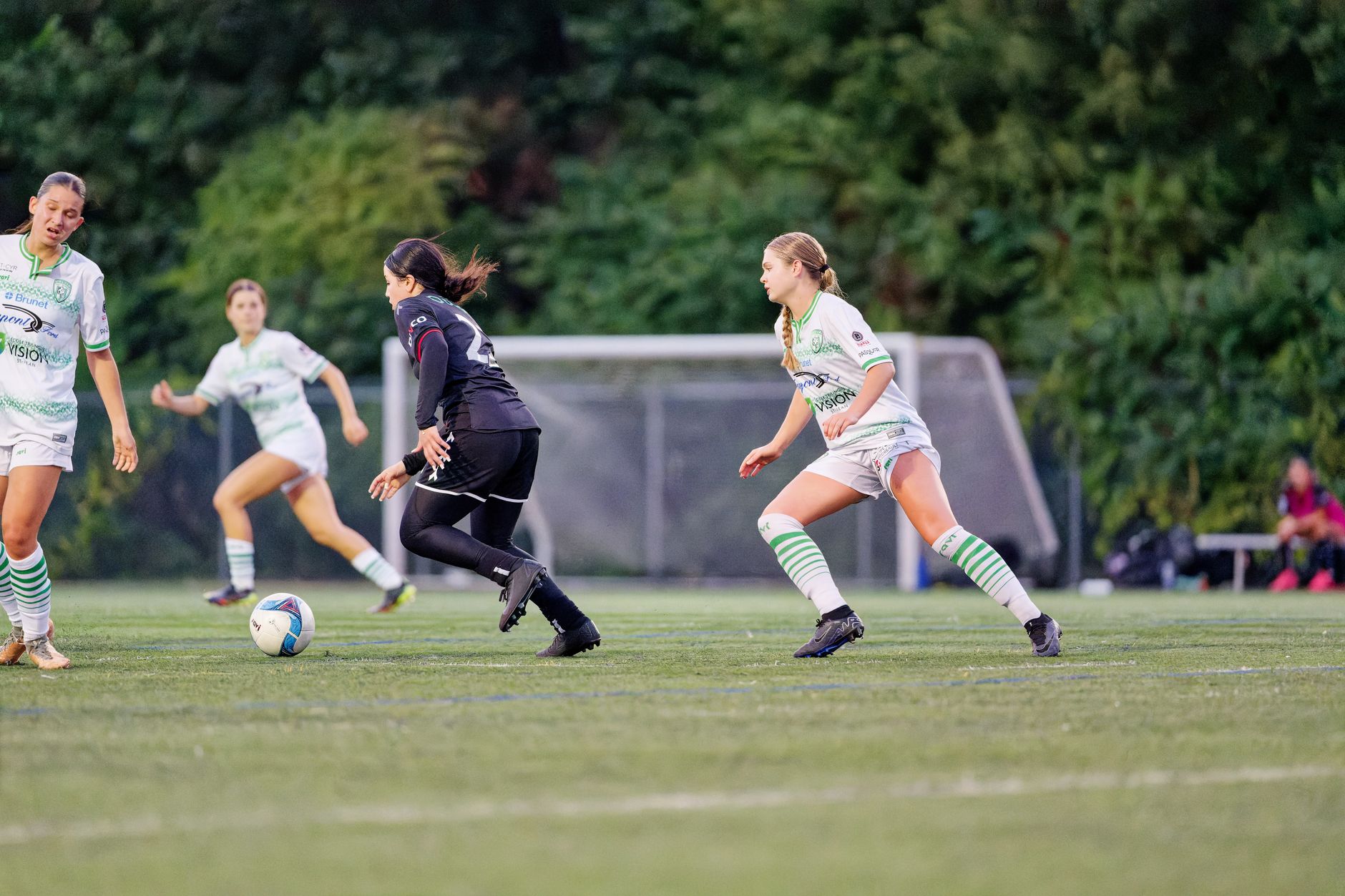
Tournament weekends are exciting, but they can also be exhausting. Having a tournament nutrition plan is key! Whether you are playing three soccer games in two days, spending all day at a volleyball tournament, or competing in multiple basketball games, your body needs a consistent supply of energy to perform at its best.
One of the biggest mistakes athletes make during tournaments is waiting until they are hungry to eat or relying on concession stand snacks to get through the day. By then, your energy levels have already dropped.
Here is a fueling strategy so you can stay strong, focused, and ready for every game. If you haven’t yet, you will definitely want to check out the ‘Nutrition for Tournament and Travel Weekends’ episode of the High School Athlete Nutrition Podcast!
Why Tournament Nutrition Matters
Unlike a single game, tournaments involve multiple competitions with only a few hours or sometimes less between games. During each game, your muscles use stored carbohydrates (glycogen) for energy. If those energy stores aren’t replaced, fatigue sets in faster, reaction time slows, and your performance declines.
Here is why having a nutrition plan for tournaments matter:
- Maintain energy throughout the day
- Improve focus and decision making
- Support faster recovery between games
- Reduce muscle fatigue
- Stay hydrated and prevent cramping
- Finish the final game as strong as the first
Starting The Night Before
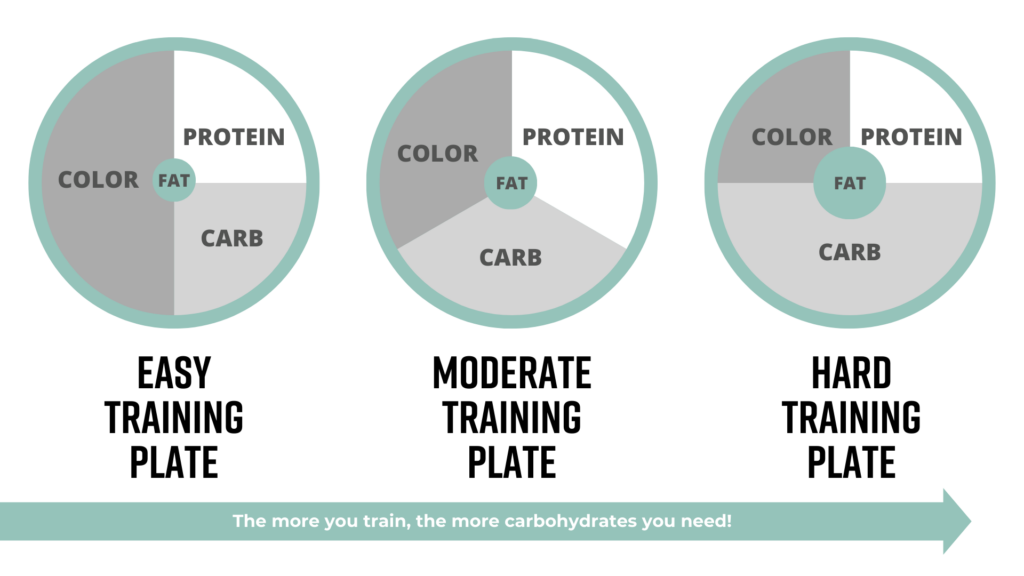
Preparation starts before your tournament. Have a strong dinner that mirrors a hard training plate and includes:
- Protein (chicken, turkey, beef, fish, tofu)
- Carbohydrates (rice, pasta, potatoes, bread)
- Colorful vegetables
- Essential fats
Drink water throughout the day and avoid trying any new foods. This is especially important if you have traveled to a new city and are eating at a restaurant.
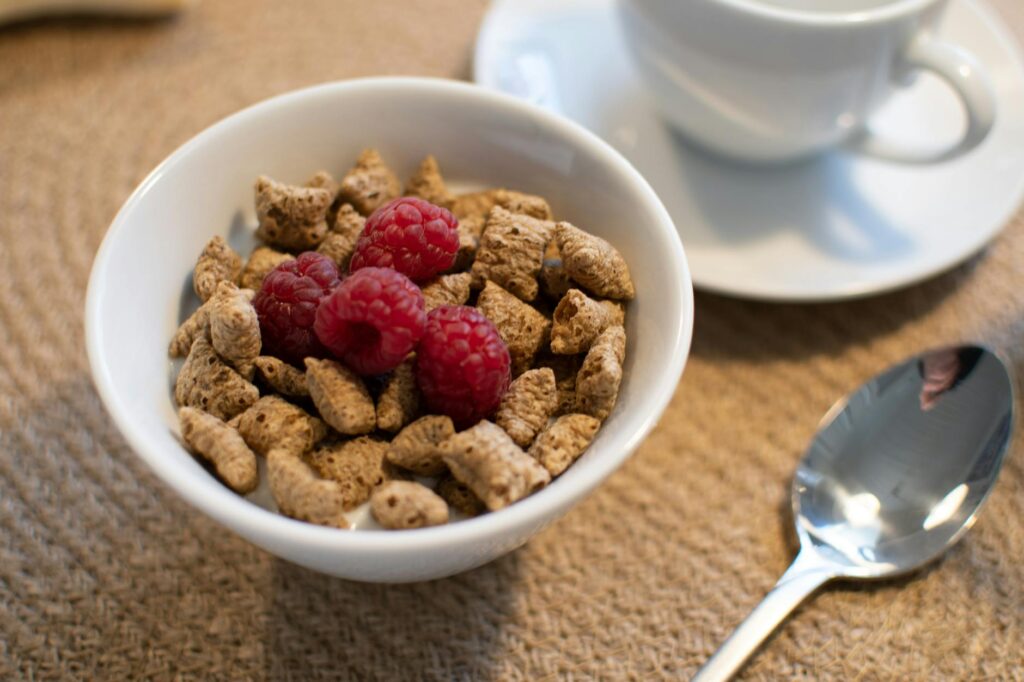
Starting your morning with a strong breakfast
Breakfast replenishes energy after an overnight fast (BREAK - FAST… get it! Pretty cool!) and prepares your muscles for competition.
Choose foods that are familiar and easy to digest. Competition days are not the time to get creative with your fueling plan.
Great options include:
- Oatmeal with fruit and peanut butter
- Eggs with a bagel and fruit
- Greek yogurt with granola and berries with a side of toast and peanut butter
- Bagel with peanut butter and banana
- Breakfast burrito with eggs and potatoes
Try to eat about a complete breakfast at least three hours before your first game when possible. This allows you plenty of time to digest!
Fuel Between Games
This is where many athletes fall short.
Your goal between games is to replace carbohydrates used during competition while including a moderate amount of protein to support recovery.
If you have more than 2 hours choose a mini meal such as:
- Turkey sandwich
- Chicken wrap
- Peanut butter and Jelly with a drinkable yogurt
- Pasta salad with grilled chicken
- Small burrito bowl
If you have more than 60 to 90 minutes choose a lighter snack that has more carbohydrates:
- Granola bar with fruit
- Applesauce pouch and pretzels
- Bagel with peanut butter
If you have less than 60 minutes stick with quick carbohydrates:
- Banana
- Applesauce pouch
- Graham crackers
- Pretzels
- Fruit snacks
- Sports chews
The closer you are to your next game, the simpler your snack should be.
Tournament venues aren’t always stocked with great snack options. Packing a cooler ensures you will have foods that will help you level up your game. Click here to grab you FREE Competition Day Nutrition Checklist.
After the Final Game
Recovery begins as soon as your last game ends. Time is important, especially if you have more games or events the following day. Within about 30 minutes you should have a quick recovery snack like chocolate milk and within 2 hours aim to eat a meal that includes:
- Carbohydrates to refill energy stores
- Protein to repair muscles
- Fluids and electrolytes to replace sweat losses
A balanced recovery meal helps you bounce back faster for practice, another tournament, or the week ahead.
Think of your nutrition as part of your game plan. Just as you wouldn’t forget your jersey or equipment, don’t forget the fuel that powers your performance.